
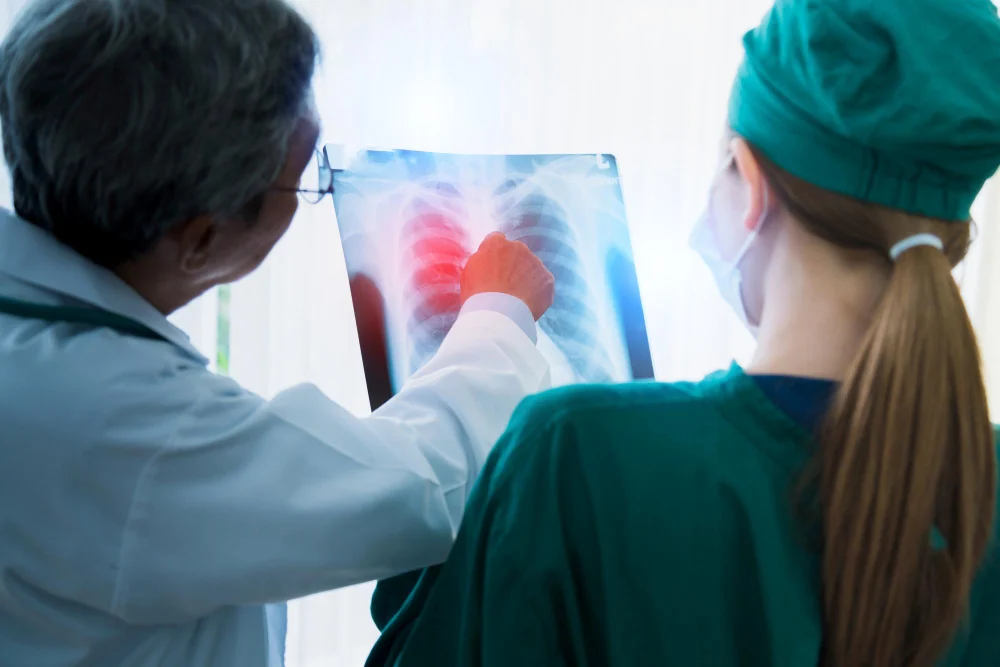
Thoracic surgery can be an extremely effective and potentially curative option in early-stage cases of lung cancer, but it is far from a solely definitive treatment course. With the advent of technology in the field of oncology, patients can avail a variety of specialized treatment options such as chemotherapy, radiation therapy, immunotherapy, and targeted therapy, which may equal, if not improve upon, surgical treatment in many instances, based on the stage of cancer.
Early intervention via low-dose CT scans makes all the difference in outcomes, making a death sentence a manageable medical treatment option. In either case, with the option for surgical accuracy at the finest thoracic surgical facility, with a lobectomy or non-invasive SBRT, life remains the ambition of remission without life-changing side effects.
Researching such alternatives with specialists such as the finest thoracic surgeon in Thane can thus provide optimistic avenues in a trendy combination of science and kindness.
Importance of Thoracic Surgery in Lung Cancer Cases
For non-small cell lung cancer (NSCLC) stage I-II, “thoracic surgery is the gold standard with 80-90% survival rates,” achieved through lobectomy/segmentectomy, removing the tumor with associated lymph nodes.
Minimal access surgery using VATS (video-assisted thoracic surgery) or robotic surgery shortens convalescence to weeks, rather than months, after standard open thoracotomy.
Surgery is not indicated for “20-30% patients with resectable tumors” but not for those with compromised respiratory and/or cardiovascular function, or with widespread metastases.
Chemotherapy: A Systemic Attack on Cancerous Cells
Chemotherapy employs drugs targeting fast-proliferating cells, and it can be used effectively in both non-small cell lung cancer (NSCLC & small cell lung cancer (SCLC); in inoperable situations or in both pre- & post-operative situations. Platinum chemotherapies such as cisplatin can decrease tumor size by 30-50% in advanced situations, prolonging survival times by months & years.
Toxic effects, such as nausea, alopecia, and fatigue, are controlled with antiemetics & growth factors. Along with surgery, recurrence is reduced by 15-20%. The Best Thoracic Surgeon such as Dr. Amol Bhanushali, will have a strategy to combine chemo with surgical therapy for a multimodal approach.
Radiation Therapy: A Precise Non-Invasive Procedure
Radiation eradicates cancer DNA without any incisions, making it most suitable for inoperable patients or unwilling ones in early stages. Stereotactic body radiation therapy (SBRT) gives a large dose in 3-5 fractions, equaling lobectomy results with 90% local control.
Intensity-modulated radiation therapy (IMRT) shows less toxicity to normal tissue, with a pneumonitis risk below 10%. In advanced cases, it relieves symptoms of pain and/or bleeding. The Top Thoracic Surgery hospital in Mumbai uses MR-guided radiation therapy for tumor tracking in real time, increasing accuracy.
Immunotherapy and Targeted Therapies
Immunotherapy involves unleashing immune system cells with PD-1/PD-L1 inhibitors, such as pembrolizumab, which doubles survival time in metastatic NSCLC patients with high tumor PD-L1 from 10 to 20+ months.
When used with chemo or alone, side effects are less with immunotherapy than with conventional drugs. Targeted therapy focuses on mutations in EGFR for 15-20% of Asian patients with osimertinib or for 5% with ALK inhibitors, which reduce tumor size in 60-70% of patients taking daily pills. Genetic biopsies assess eligibility, bypassing chemo if not indicated.
When Surgery Isn’t Ideal: Patient Selection
Variables such as the presence of a tumor in the vicinity of major blood vessels, poor health, or stage III-IV promote non-operative modalities. SBRT is equal to surgical methods in smaller peripheral tumors (< 3 cm) in terms of survival and side effects.
A combination of chemo-radiation, also known as chemoradiation, and subsequent treatment with immunotherapy can potentially cure 30-40% of patients with advanced diseases without reducing them.
Dr. Amol Bhanushali, “The Best Thoracic Surgeon,” assesses surgery viability with a PET-CT scan and respiratory function tests and advises other treatment options.
Emerging & Supportive Therapies
Proton therapy reduces radiation to the heart/lungs by half, thus lowering side effects by 50%. Angiogenesis inhibitors such as bevacizumab work by depriving tumors of their blood supply, in addition to chemotherapy.
Symptomatic treatment without replacing primary therapies includes Camden’s acupuncture therapy for nausea, dietary support, and others. Scientific studies provide a chance to try new combinations for a better prognosis all the time.
Deciding on a Path
A lot depends on a tumor board evaluation based on stage, markers, and performance status. Early-stage treatment using low-dose CT scans increases the chances of curing, whatever treatment option is used. The top thoracic surgery facility is a one-stop diagnostics and treatment center from biopsy to treatment.
Conclusion
Although surgeries performed on the thorax are exemplary when dealing with resectable lung cancer, chemotherapy, radiation, immunotherapy, and targeted therapy have equally exemplary alternatives with less invasiveness and quicker recovery times, all designed to cater to individual needs for better outcomes.
Patients greatly benefit from a thorough analysis of all pros and cons, including the latest evidence available, to make decisions compatible with their lifestyle and personal aims to quickly return to their jobs or travel. Availability of state-of-the-art centers and expertise, such as Dr. Amol Bhanushali, really brings standards up, combining both surgical and non-surgical breakthroughs.
Do not walk this path alone; rather, allow expert knowledge to empower your journey today. Schedule your personalized consultation with Dr. Amol Bhanushali, “Best Thoracic Surgeon in Thane,” for advanced lung cancer treatment solutions today!