
SummaryThe diaphragm is a dome-shaped muscle that plays a vital role in breathing by helping the lungs expand and contract. It also supports digestion, prevents acid reflux, and stabilises the core. Disorders such as hiatal hernia, spasms, or paralysis can affect breathing and chest comfort, requiring proper diagnosis and specialised treatment. |
Little difficulties in breathing or intense acid reflux may interfere with your everyday life. According to a study by the National Institutes of Health, hiatal hernias afflict ten percent of people. These invisible internal structural issues are extremely uncomfortable to deal with.
Long-term limitations on breathing impose an enormous burden on your health. It is very frustrating to maneuver such disruptive symptoms in the absence of a definite diagnosis. We know what a drain it is to deal with chronic chest pain.
This guide will explain just what your diaphragm is and how it functions. You will also be in a better position to understand your internal symptoms. You will also get to know how Dr. Amol Bhanushali will bring his expertise to bhanushali hospital thane and give permanent relief to the patient.
What Is The Diaphragm And Where Is It Located?
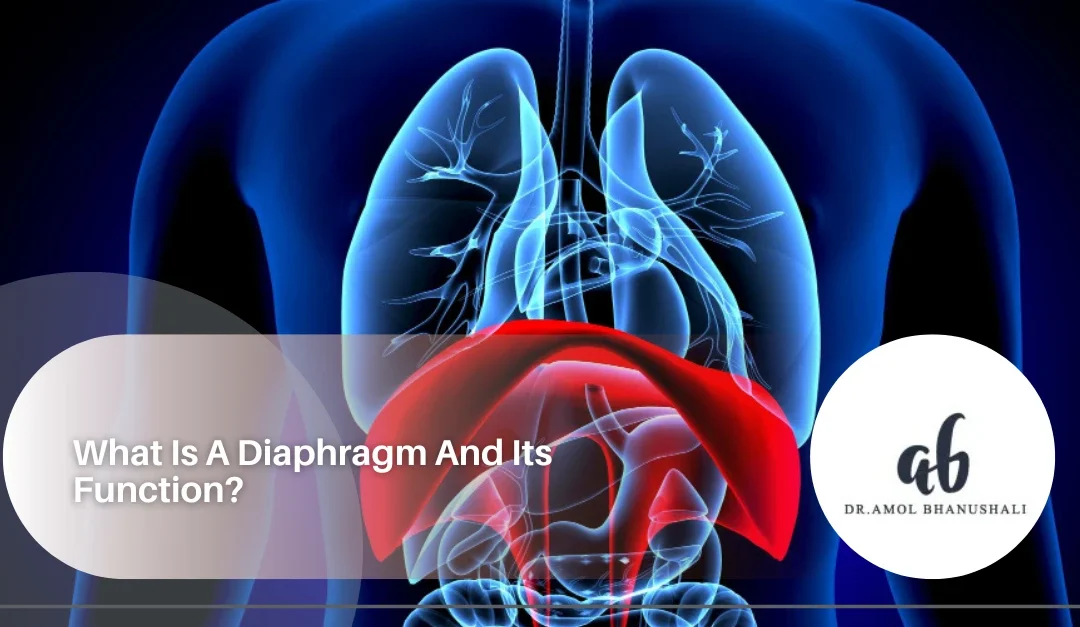
The diaphragm is a big muscle in the shape of a dome that is found at the bottom of your chest. It fills your belly and your chest well. It acts as your major breathing muscle.
This is an important muscle that is right below your lungs and heart. It is attached to your lower ribs, sternum, and lumbar spine. In a healthy body, it balances the pressure between the chest and the stomach.
What Is The Main Function Of The Diaphragm?
The primary purpose of the diaphragm is to regulate the process of breathing. Through inhalation, it contracts and flattens. This forms a vacuum, sucking the air into your lungs.
According to the research of NCBI, this muscle performs 70% of the workload during rest breathing. Other than breathing, it has a number of other important body functions.
Key functions include:
- The transfer of oxygen and carbon dioxide.
- Avoiding the risk of stomach acid refluxing into your oesophagus.
- Managing extra-abdominal pressure to digest and remove wastes.
- Aiding core positioning and lumbar stabilisation.
Can A Diaphragm Problem Cause Chest Pain And Reflux?
No, a faulty diaphragm may lead to serious chest injury and acid reflux. Lack of this muscle allows the contents of the stomach to escape up into the chest.
As the muscle becomes weak, the balance of pressure between the abdomen and chest does not hold. The result of this structural failure is usually gastroesophageal reflux disease. Very often, patients confuse such discomfort with heart problems.
What Are The Most Common Diaphragm Disorders?
Diaphragm disorders may include structural defects to total nerve failures. The knowledge of these conditions is the key to an effective medical solution.
Types of Hiatal Hernias
A hiatal hernia happens when your stomach moves upwards through the diaphragm. The hiatus is referred to as this opening. It is the natural means to have your oesophagus leading to the stomach.
Once this difference goes beyond normal, the stomach acid is easily released into the chest cavity. It leads to terrible heartburn and pain daily.
Surgery is sometimes necessary to repair your normal anatomy. Bhanushali Hospital is a specialised hospital with advanced laparoscopic repairs to ensure fast healing for patients.
The typical features of a hiatal hernia are:
- Acute acid reflux postprandial.
- Constant rest pain in the chest.
- Problem with the swallowing of solid food.
- Direct phrenic nerve irritation.
Types of Diaphragm Paralysis
Sudden contractions of the main breathing muscle are known as diaphragmatic spasms. Such spasms lead to chest pain and rapid breathing.
They frequently come into effect as a result of heavy activities or are a nuisance to the nerves. Although hiccups are brought on by temporary spasms, the chronic spasms need medical attention.
One of the specialists will examine your phrenic nerve activity. Effective diagnosis results in the right muscle relaxation treatments.
Causes of muscle spasms are:
- The level of emotional or mental stress is high.
- Violent physical fitness regimes.
- Unpredictable changes in body temperature.
- Direct phrenic nerve aggravation.
Types of Diaphragm Paralysis
Paralysis of the diaphragm occurs when the nerve impulses are completely paralyzed. This may take place on the same side or each side of the diaphragm.
Normal day-to-day activities cause a great shortness of breath in patients. Reasons are nerve damage caused by surgery or trauma, or caused by viruses.
Bilateral paralysis is a critical health emergency that needs emergency ventilation. It is treated using breathing aid machines or advanced nerve reconstructions.
Pivotal risk factors of paralysis are:
- Difficulty breathing in the supine position.
- Lack of good sleep at night.
- Chesty and respiratory infections.
- Unaccountable excessive fatigue daily.
How Do You Identify And Compare Diaphragm Symptoms?
Being aware of certain symptoms helps identify the type of condition that you are facing. The comparison of these signs enables the doctors to develop a specific treatment plan. The timely intervention eliminates minor complications before they turn out to be critical surgical crises.
| Condition | Primary Symptoms | Severity Level | Treatment Focus |
| Hiatal Hernia | Acid reflux, heartburn, chest pain | Moderate to High | Laparoscopic repair |
| Muscle Spasms | Sharp pain, hiccups, fluttering | Low to Moderate | Nerve therapy |
| Paralysis | Breathlessness, sleep apnoea | High to Critical | Respiratory support |
| Eventration | Shallow breathing, lung infections | Moderate | Surgical plication |
How Do Doctors Diagnose Diaphragm Conditions In Thane?
Physicians in Thane do not diagnose diaphragm issues without the help of high-level imaging. These tests assess the movement of muscles, structural gaps, and the general lung capacity.
With the availability of the local diagnostic facilities, it is extremely convenient to reach them in the case of you living in Mumbai or Thane. Experts consider your past medical history to prescribe certain non-invasive tests. The voice search queries, such as: best hernia doctor near me, are effective in emphasizing the knowledge of the area.
Diagnostic steps include:
- X-rays of the chest to test lung expansion.
- Dynamic muscle movement can be seen using fluoroscopy.
- Exact breathing capacity tests by pulmonary function.
- Endoscopy to rule out internal acid damage.
- CT imaging of structural muscle defects.
Why Consult Dr Amol Bhanushali For Diaphragm Surgery?
Dr. Amol Bhanushali is a specialist in complex hernia repair. He has a decade of surgical expertise in the area of specialisation.
In case of any chronic reflux or breathing difficulties, it is necessary to have professional assistance. To ensure that you are back on your feet soon, our team of professionals focuses on non-invasive procedures.
Bhanushali Hospital consists of all the state-of-the-art surgical equipment. We offer you a full treatment from your first diagnosis to your ultimate recovery.
Do you want to talk to a hernia specialist today? Make a call to our clinic and assess your symptoms.
Conclusion
The diaphragm is an important muscle that regulates your breathing and the stability of the core. Structural problems such as hiatal hernias have a severe effect on your everyday life and comfort. Knowing the symptoms that you experience personally is very important to finding effective medical assistance. Dr. Amol Bhanushali provides a permanent cure for the complicated diaphragm disorders.
FAQs
What are the symptoms of a weak diaphragm?
Symptoms of a weak diaphragm include shortness of breath, shallow breathing, fatigue during mild activity, difficulty breathing while lying down, chest discomfort, and reduced lung capacity due to limited diaphragm movement.
Can exercise strengthen the diaphragm?
Yes, breathing exercises and physical training can strengthen the diaphragm. Techniques such as diaphragmatic breathing, yoga breathing practices, swimming, and guided respiratory therapy help improve lung capacity and breathing efficiency.
What is the main function of the diaphragm?
The diaphragm’s main function is to assist breathing. When it contracts, it flattens and allows the lungs to expand, drawing air inside. When it relaxes, air is pushed out during exhalation.
Can stress affect your diaphragm?
Yes, stress can affect the diaphragm by causing shallow or irregular breathing patterns. Chronic stress may lead to muscle tension, breathing discomfort, and increased episodes of diaphragmatic spasms or chest tightness.